Loading Data ...

BNB is the native asset of the Binance ecosystem and BNB Chain. It started as an ERC-20 token on Ethereum in July 2017, migrated to its own Binance Chain in April 2019, and today sits at the centre of one of the largest blockchain ecosystems in crypto. BNB serves as the gas token on BNB Smart Chain, a fee-discount token on Binance exchange, a governance asset, and a deflationary token through quarterly burns that have already removed tens of billions of dollars worth of supply from circulation.
Changpeng Zhao, widely known as CZ, launched Binance in July 2017 alongside co-founder Yi He. The BNB ICO ran at the same time, raising $15 million for 100 million BNB at $0.15 per token. Within six months, Binance had become the world's largest crypto exchange by trading volume, and BNB was the fee-discount token powering it.
The project has gone through significant leadership changes since then. In November 2023, CZ pleaded guilty to anti-money laundering violations in the United States as part of a $4.3 billion settlement, the largest in crypto history. He stepped down as CEO in November 2023 and served a four-month prison sentence in 2024. Richard Teng took over as CEO, and in December 2025, co-founder Yi He was appointed co-CEO alongside him. In October 2025, CZ received a presidential pardon from Donald Trump.
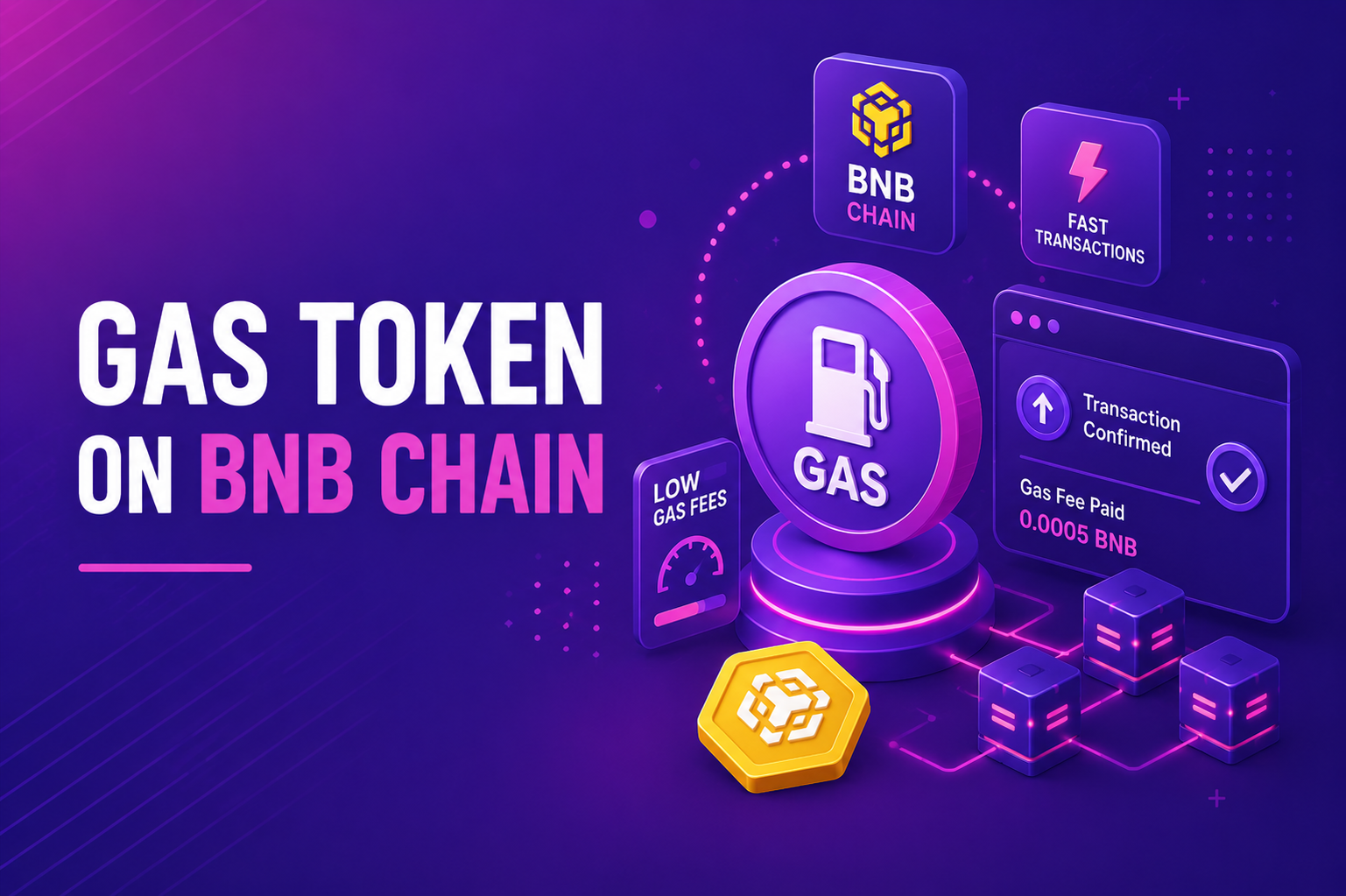
BNB Chain is the umbrella name for three connected products. BNB Smart Chain, also called BSC, is an EVM-compatible Layer 1 blockchain with block times of around three seconds and gas fees typically under $0.10. opBNB is a Layer 2 optimistic rollup built on top of BSC for even cheaper and faster transactions. BNB Greenfield is a decentralised storage network designed for data-intensive applications.
BSC launched in September 2020 and attracted significant DeFi activity quickly because of its low fees and compatibility with Ethereum tools. By 2026, BNB Chain hosts around 4.3 million daily active users, surpassing Solana and NEAR by daily wallet count.
Binance started burning BNB quarterly in 2017 with a goal of reducing the total supply from 200 million down to 100 million. The mechanism has evolved over the years. The current Auto-Burn formula adjusts the quarterly burn amount based on BNB's price and the number of blocks produced on BNB Chain during that quarter. Higher prices and more blocks mean larger burns.
As of 2026, Binance has completed 34 consecutive quarterly burns. The Q1 2026 burn destroyed 1.37 million BNB worth approximately $1.28 billion. On top of the quarterly burn, BEP-95 introduced a real-time gas fee burn on BNB Chain, making the supply net deflationary on an ongoing basis.
BNB launched in July 2017 as a utility token for the Binance exchange. In April 2019, it migrated to its own Binance Chain mainnet. September 2020 brought BNB Smart Chain, an EVM-compatible network that opened BNB to the world of DeFi. PancakeSwap and Venus launched the same year and became the flagship DeFi protocols on the chain.
In 2021, BSC's total value locked peaked at around $30 billion, and BNB hit an all-time high of close to $690. The 2022 BNB Chain rebrand consolidated the ecosystem's identity, though the year also brought a $570 million cross-chain bridge exploit. 2023 brought the US settlement and CZ's resignation. 2024 brought his prison sentence. By 2025, the focus shifted back to the technology, with burn mechanism upgrades and a 2026 roadmap targeting sub-second finality and 20,000 TPS.
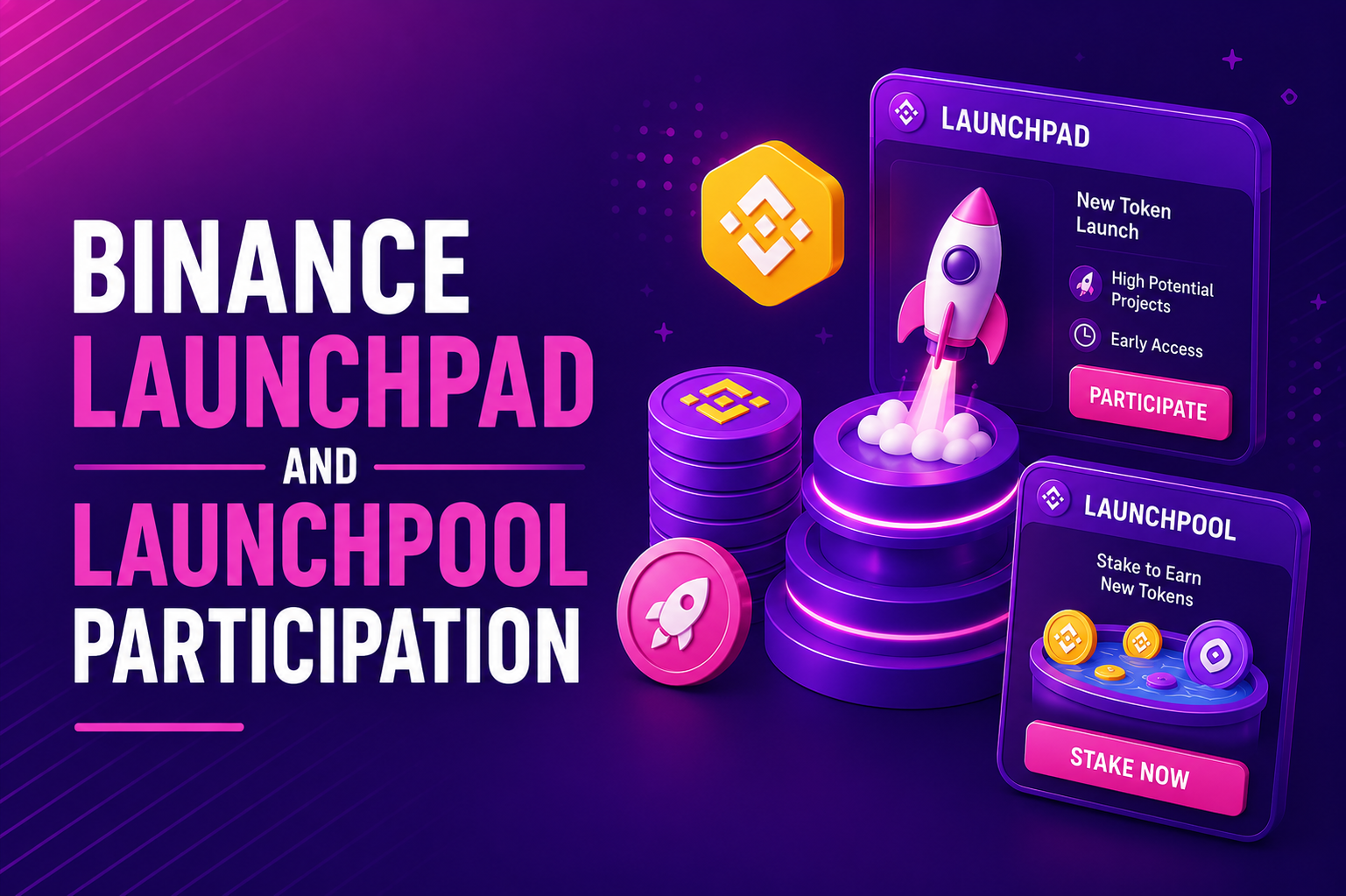
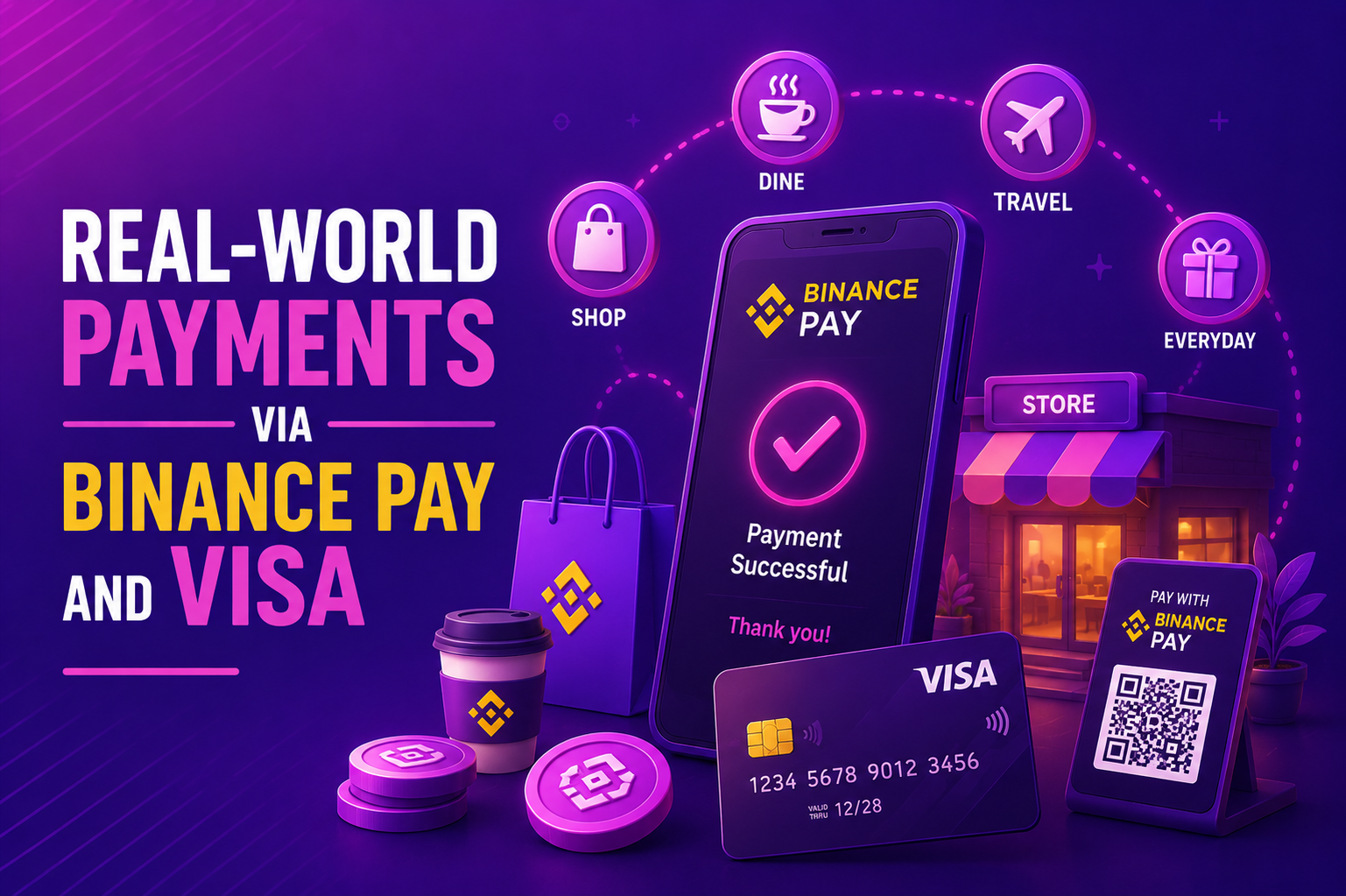
BNB powers fee discounts on the Binance exchange, serves as the gas token on the BNB Smart Chain, and gives holders access to Binance Launchpad token sales and Launchpool staking rewards. It is also accepted for payments through Binance Pay and the Binance Visa card.
Not banned, but not legal tender. Holding and trading BNB on FIU-IND-registered exchanges is currently permitted. Gains are taxed at 30% plus cess, and every trade attracts 1% TDS deducted at source.
Each quarter, Binance destroys a calculated amount of BNB based on its price and the number of blocks produced on BNB Chain that period. The long-term target is to reduce the total supply from 200 million to 100 million. BEP-95 adds a real-time gas fee burn on every BNB Chain transaction on top of the quarterly burn.
BNB Chain is an EVM-compatible Layer 1 blockchain with block times of around three seconds and fees typically under $0.10. It runs parallel to opBNB, a Layer 2 rollup for cheaper transactions, and BNB Greenfield, a decentralised storage network. BNB is the gas token across all three.
Gains are taxed at a flat 30% plus applicable cess. Every trade triggers 1% TDS deducted at source by the exchange. Losses cannot be offset against other gains and cannot be carried forward. Staking and Launchpool rewards are likely taxed as income at your applicable slab rate.
In November 2023, Binance reached a $4.3 billion settlement with US authorities, the largest in crypto history. CZ pleaded guilty to failing to maintain an effective anti-money laundering programme, stepped down as CEO, and served a four-month prison sentence in 2024. He received a presidential pardon from Donald Trump in October 2025.
The key metrics are BNB Chain daily active users, total value locked in BSC DeFi protocols, Binance exchange trading volume, quarterly burn amounts, and net supply change over time. ICR Score combines all of these into a single proprietary score for BNB's fundamental health.