


Loading Data ...
TRON is a Layer 1 blockchain founded in 2017 by Justin Sun. Its native token is TRX, and smart contracts run on the TRON Virtual Machine, which is EVM-compatible and supports Solidity. TRON has become the dominant global settlement layer for stablecoin transactions. As of Q1 2026, TRON holds over 46% of the total USDT supply, amounting to more than $85 billion. The network has recorded over 373 million total user accounts, more than 13 billion total transactions, and over $26 billion in total value locked.
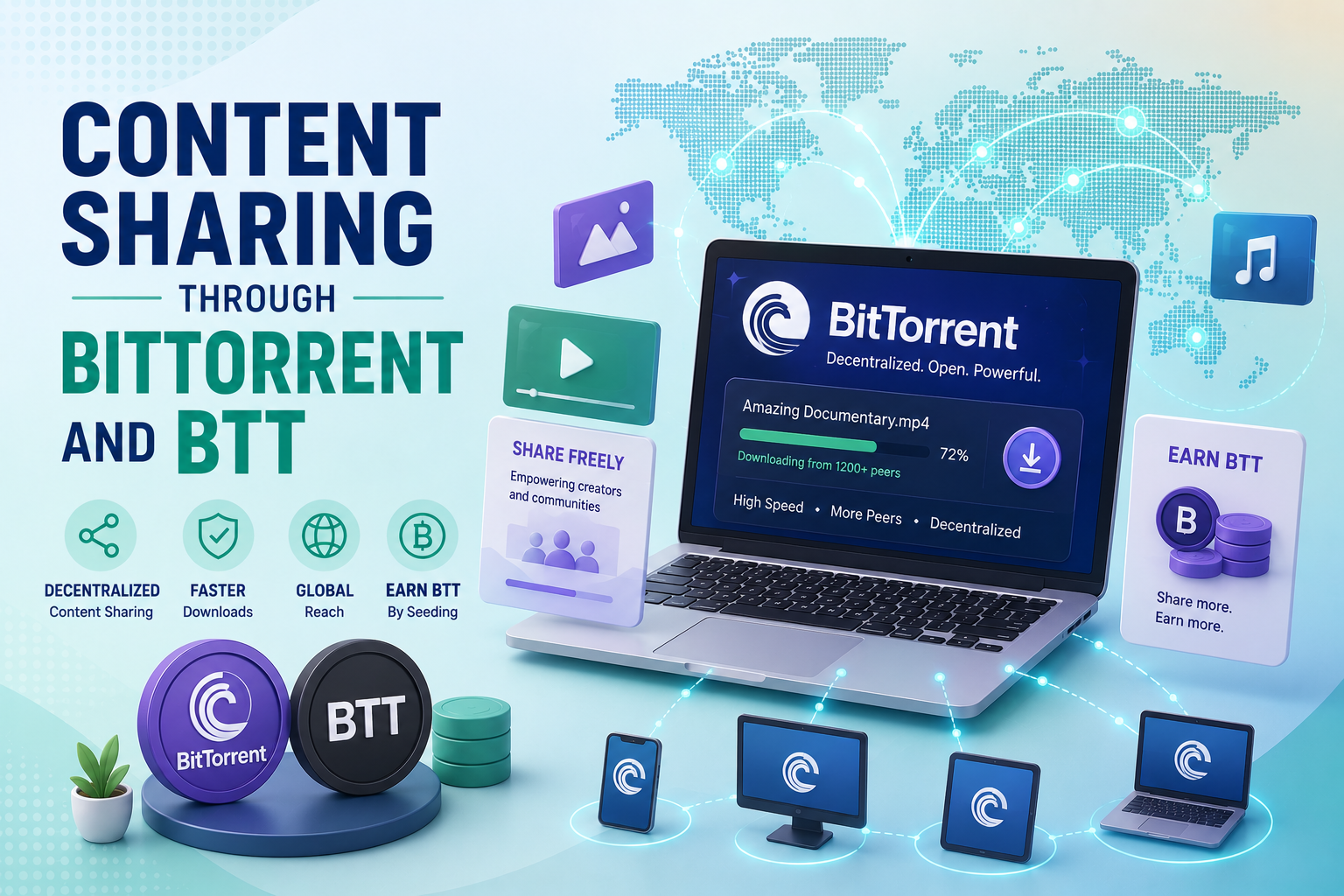
Justin Sun published the TRON whitepaper in September 2017 under the title "TRON: Decentralise the Web." The ICO raised over $70 million before China banned crypto ICOs days after the raise began, which forced Sun to continue operations from Singapore. TRON launched as an ERC-20 token on Ethereum initially, before migrating to its own mainnet in May 2018. In July 2018, TRON acquired BitTorrent for $140 million, the largest acquisition in crypto at that point.
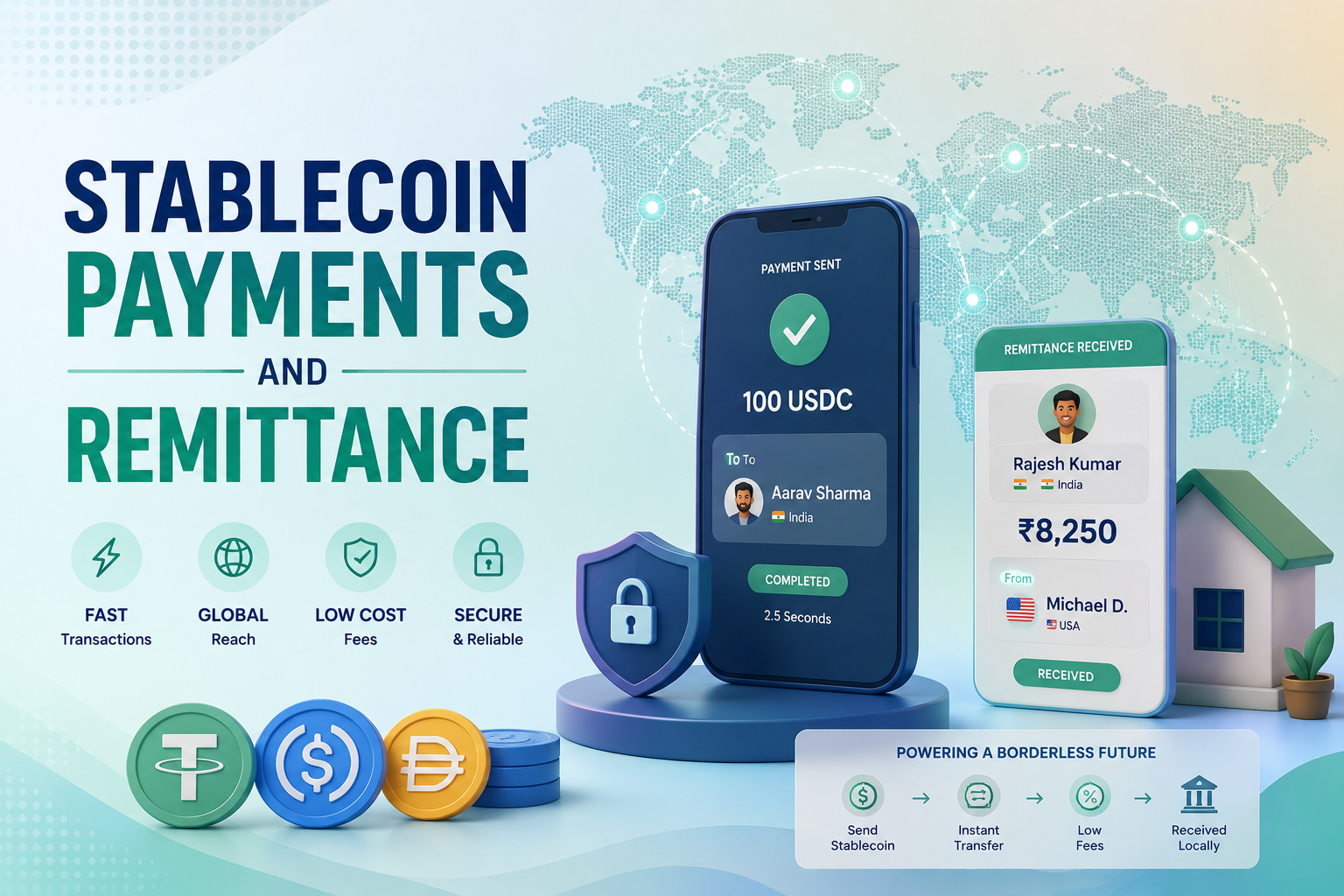
TRC-20 is TRON's token standard, mirroring the function signatures of Ethereum's ERC-20 standard. Tether launched USDT on TRON using TRC-20 in April 2019. It quickly became the most widely used USDT rail because of TRON's speed and low cost. Block times on TRON sit at around three seconds. A typical TRC-20 USDT transfer costs between $1 and $3.50 in TRX, compared to $5 or more on Ethereum mainnet during busy periods. By Q1 2026, over 46% of all USDT supply lived on TRON, making it the single largest USDT chain globally.
TRON uses a Delegated Proof of Stake mechanism where 27 Super Representatives are elected by TRX holders to produce blocks and validate transactions. TRX holders vote daily to elect Super Representatives, and voters earn a share of block rewards in return. Block time sits at around three seconds, giving TRON a theoretical throughput of around 2,000 transactions per second.
TRON also operates an Energy and Bandwidth model. Instead of paying a gas fee on every transaction, users can stake TRX to receive free Energy and Bandwidth resources. If their resources are sufficient, transactions cost nothing beyond the staked TRX collateral. This model makes frequent small transactions, like stablecoin transfers, extremely cheap for active users.
TRON started with a whitepaper and an ICO in September 2017. The mainnet launched in May 2018, and the network migrated from Ethereum in June 2018. BitTorrent was acquired in July 2018. Tether launched USDT on TRON in April 2019, which was the turning point that shaped everything that followed.
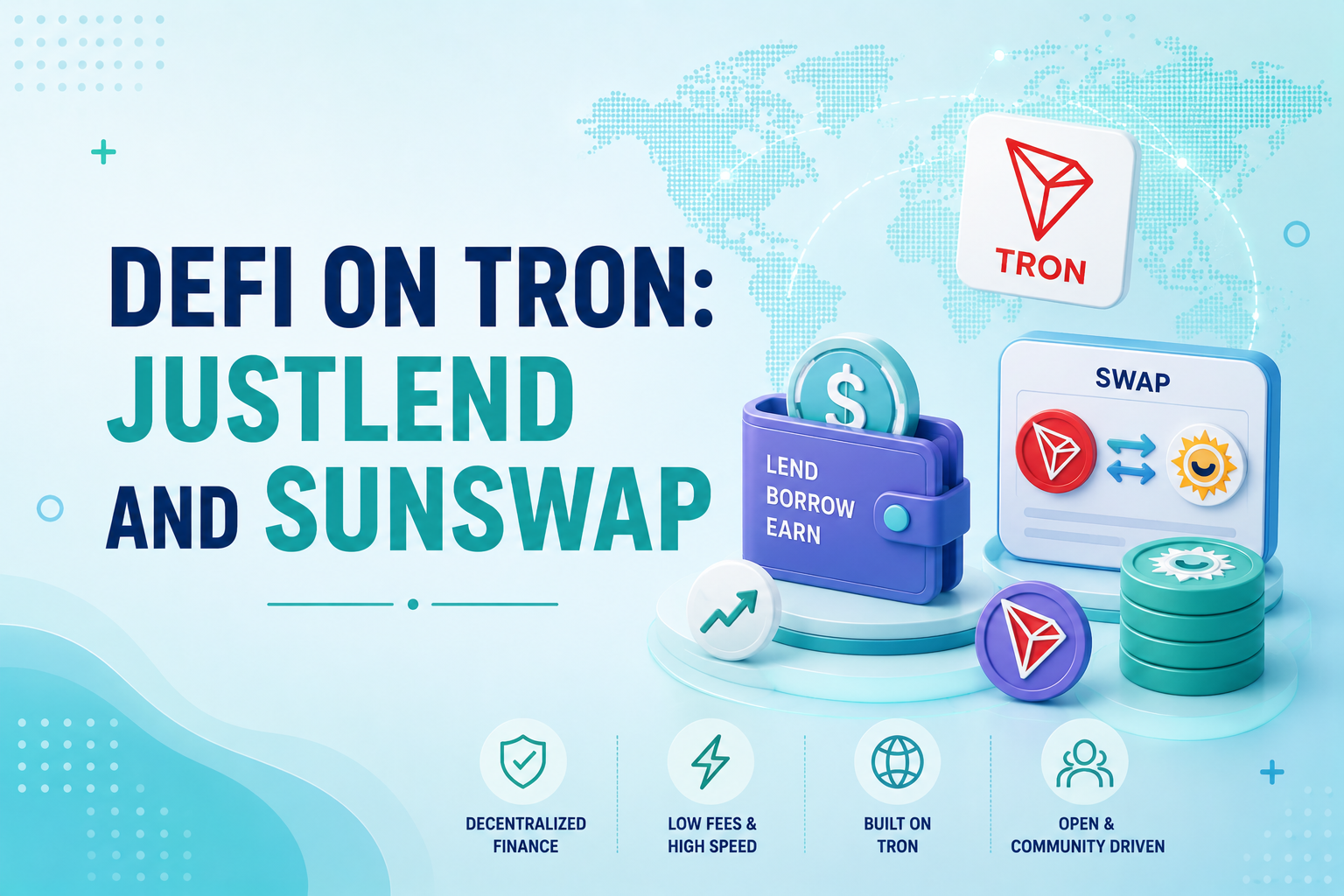
DeFi grew on TRON through 2020 and 2021 with the launch of JustLend and SunSwap. USDD, TRON's algorithmic stablecoin, launched on 5 May 2022. In 2023, the US Securities and Exchange Commission filed a civil fraud case against Justin Sun and TRON. By 2024, TRON had become the largest single-chain holder of USDT, surpassing Ethereum. The SEC case settled in March 2026, with Rainberry Inc., a company linked to Sun, paying a $10 million civil penalty. TRON DAO announced a post-quantum signature roadmap in 2026 and expanded enterprise integrations, including a partnership with Zerohash for institutional stablecoin infrastructure.
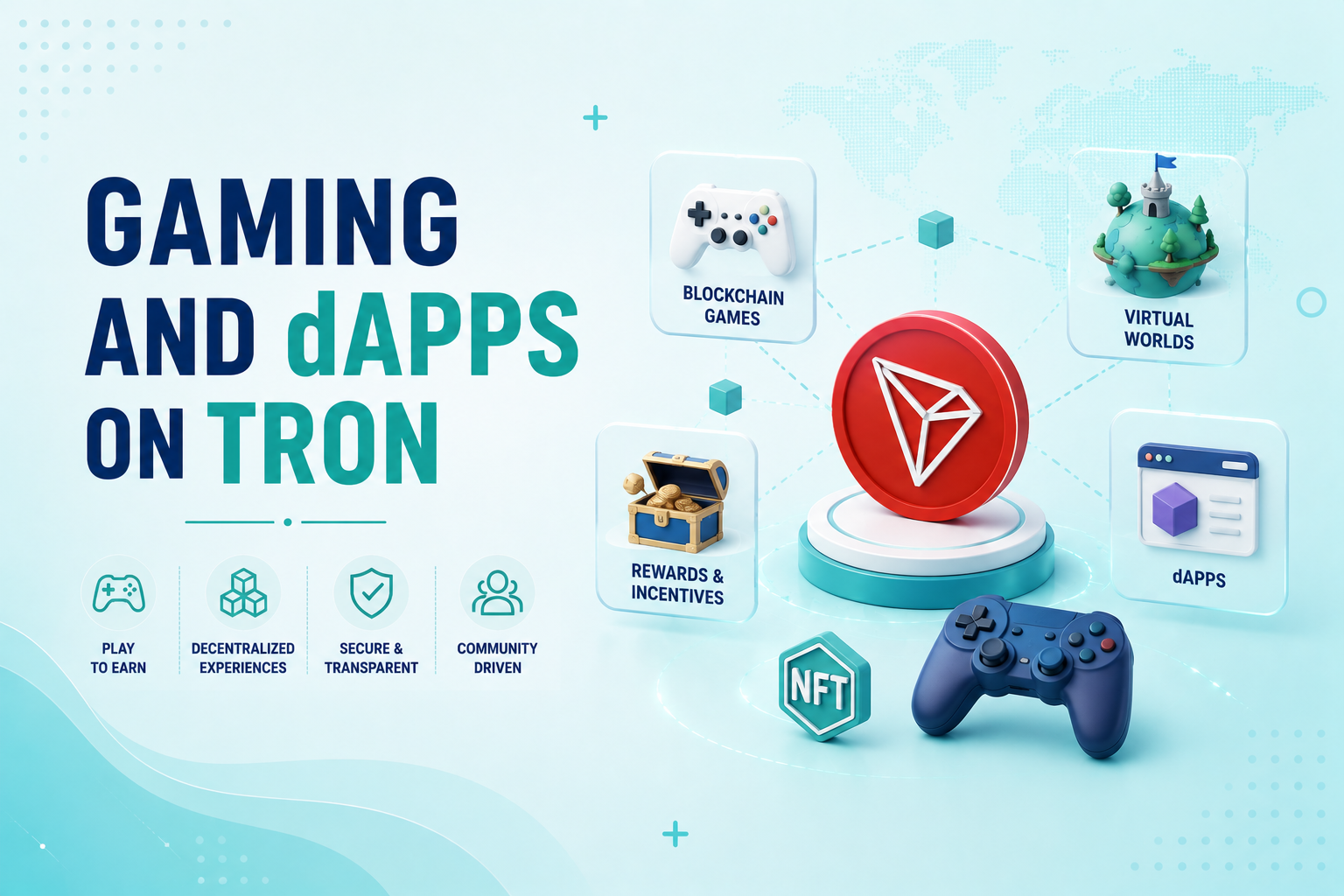
TRON's primary use is stablecoin settlement. Over 46% of all USDT in circulation lives on TRON, and the network processed over 290 million USDT transfers in 2025. Beyond stablecoins, TRX pays for transactions, is staked for Energy and Bandwidth resources, and is used to vote for Super Representatives. TRON also hosts JustLend for lending, SunSwap for token swaps, and the BitTorrent ecosystem, where BTT tokens reward file seeders.
Not banned, but not legal tender. Holding and trading TRX on FIU-IND-registered exchanges is currently permitted. Gains are taxed at a flat 30% plus cess, and every trade attracts 1% TDS deducted at source by the exchange.
Speed and cost. A USDT transfer on TRON settles in around three seconds and costs between $1 and $3.50. The same transfer on the Ethereum mainnet can cost $5 to $30 or more. Over 75% of all USDT transfers by transaction count happened on TRON in 2025.
Gains are taxed at a flat 30% plus applicable cess. Every trade triggers 1% TDS deducted at source. Losses cannot be offset against other gains and cannot be carried forward. Staking and voting rewards are likely taxed as income at your applicable slab rate.
Staking TRX gives you Energy and Bandwidth resources for fee-free transactions, plus voting rights to elect Super Representatives. Voters earn a share of block rewards distributed by the Super Representatives they support. Reward rates vary by representative but typically sit around 4–6% annually.
TRC-20 is TRON's token standard, equivalent to Ethereum's ERC-20. Every token on TRON uses it, including USDT, USDD, and JST. Transfers settle in around three seconds for $1 to $3.50, making it the most widely used stablecoin transfer rail globally by transaction count.
The key metrics are daily active users, total USDT supply on TRON, protocol fees, total value locked across JustLend and SunSwap, and net new accounts. ICR Score combines all of these into a single proprietary score for TRON's fundamental health.