


Loading Data ...







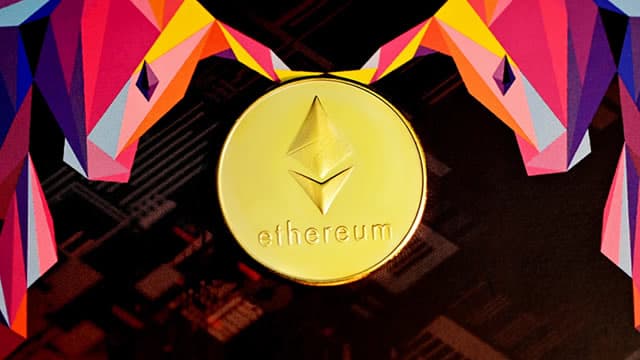
Ethereum is a decentralised computing platform. Developers build applications on it that run without any intermediaries. No bank, government, or company sits in the middle.
It launched in 2015 and was the first blockchain to support smart contracts, programmes that execute automatically with no one able to stop or alter them. ETH, the network's native currency, pays for transactions and secures the network through staking. Most of what people call Web3 runs on Ethereum.
Vitalik Buterin published the Ethereum whitepaper in late 2013. He was 19 years old at the time. Bitcoin had already proved that a decentralised network could work, but it could only move money. Buterin wanted a blockchain that could run any kind of application.
Eight co-founders joined him to build it: Gavin Wood, Joseph Lubin, Charles Hoskinson, Anthony Di Iorio, Mihai Alisie, Amir Chetrit, and Jeffrey Wilcke. In July 2014, they ran a public crowdsale that raised around $18 million in Bitcoin for roughly 60 million ETH. The mainnet went live on 30 July 2015.
Discover more about Vitalik Buterin here
Smart contracts are programmes stored on the Ethereum blockchain that run automatically when conditions are met. No company controls them after deployment. Nobody can shut them down.
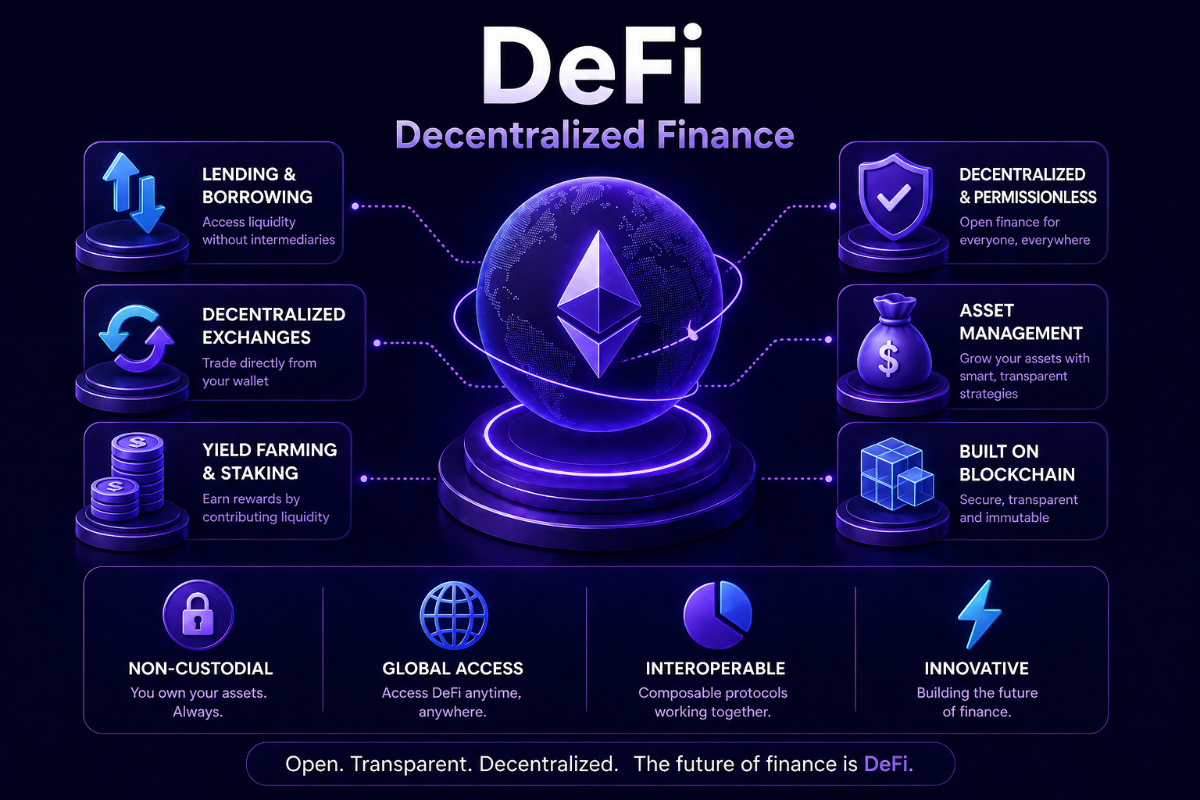
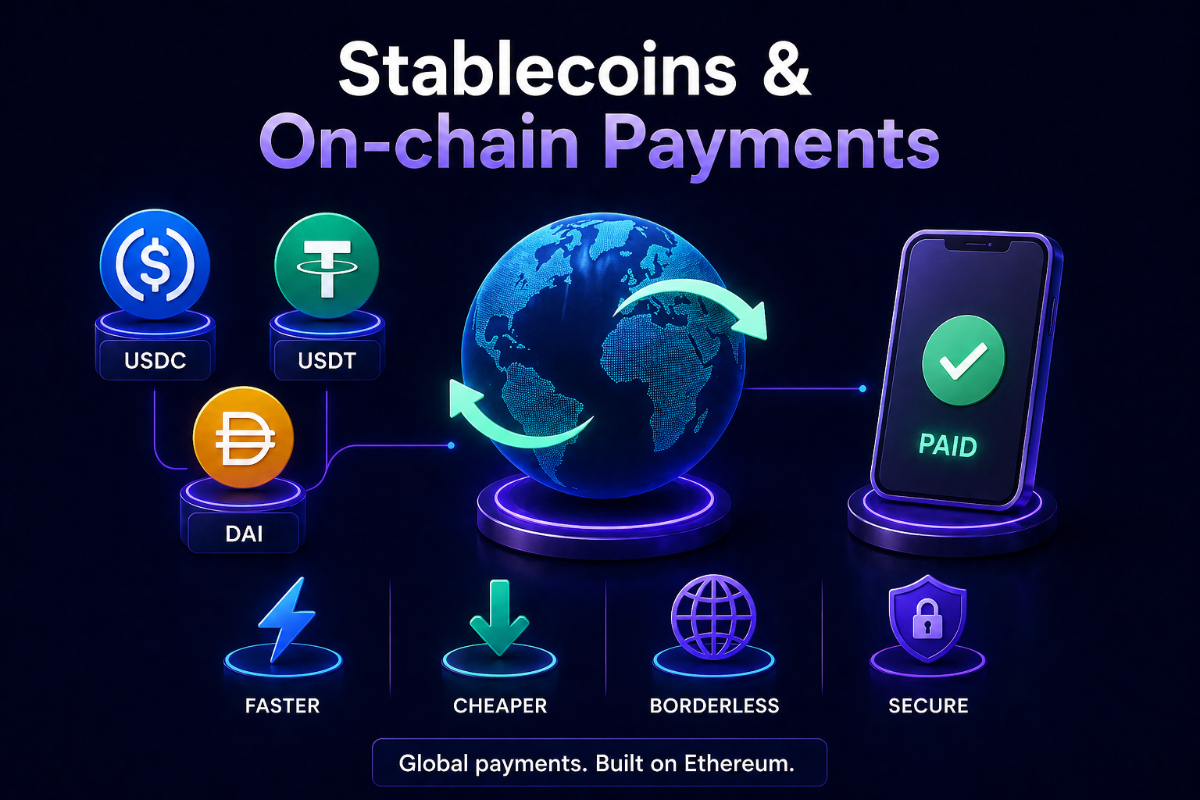
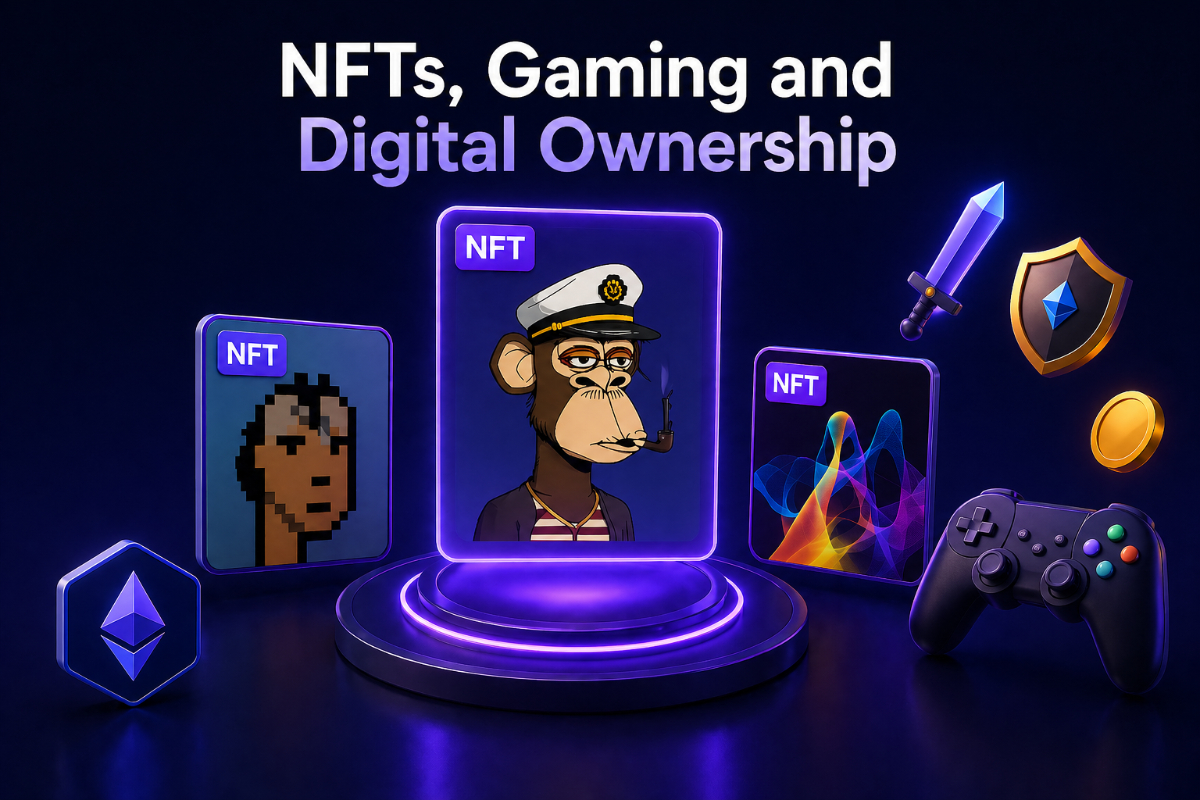
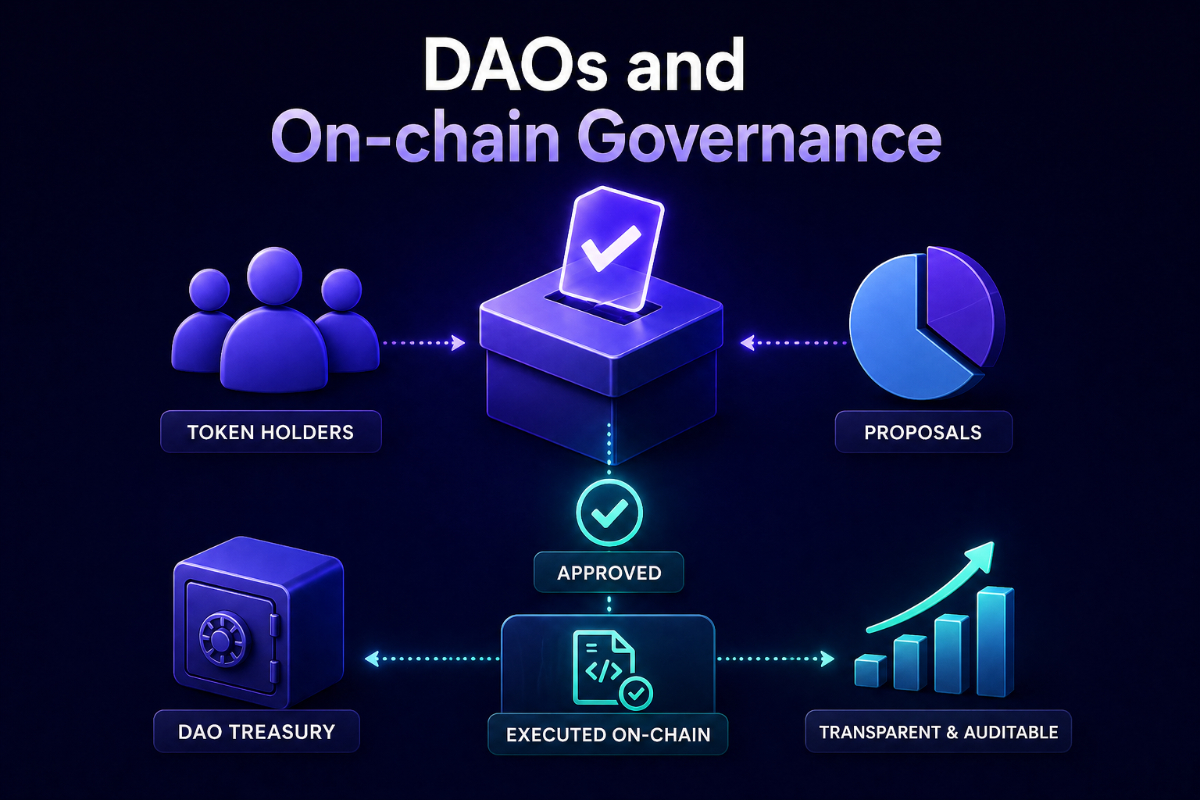
Uniswap, Aave, USDC, DAI, NFT collections, DAOs. All of these are smart contracts. Once deployed, they cannot be changed. That permanence is exactly why they work, and also why bugs in them are so costly.
Read how Ethereum smart contracts work here
On 15 September 2022, Ethereum switched from Proof of Work to Proof of Stake. This was called The Merge. Energy consumption fell by approximately 99.95% overnight. New ETH issuance dropped from around 4.3% per year to roughly 0.5%.
Validators replaced miners. To run a validator, you stake 32 ETH as collateral. Behave honestly, and you earn rewards. Behave dishonestly, and you lose a portion of that stake automatically. Smaller holders can participate through platforms like Lido without needing the full 32 ETH. Current yields sit at around 3% annually.
Vitalik Buterin introduced the Ethereum whitepaper in late 2013. The following year, in 2014, the Ethereum Foundation ran a public crowdsale, one of the first of its kind, raising around $18 million. The mainnet launched in July 2015.
In 2016, a project called The DAO was hacked for $60 million worth of ETH, which led to a chain split and the creation of Ethereum Classic. Then came the ICO boom of 2017, followed by a brutal bear market through 2018 and 2019. DeFi took off in 2020. NFTs went mainstream in 2021, and ETH hit close to $4,878 that November. The Merge happened in September 2022. In March 2024, the Dencun upgrade cut Layer 2 fees by 80-90% overnight. In 2025, Pectra improved staking mechanics and account functionality.
See how Ethereum is being used today
Read Ethereum's full journey here
Staking means locking up ETH to validate transactions and secure the network. Running your own validator requires 32 ETH. If you have less, platforms like Lido pool funds allow smaller holders to still participate and earn rewards. Current yields sit at around 3% annually. The risk is slashing: behave dishonestly as a validator, and a portion of your staked ETH gets automatically destroyed.
Ethereum is not banned in India. It is also not recognised as legal tender, so you cannot use it to pay for goods and services the way you use rupees. Holding and trading ETH is permitted on exchanges registered with FIU-IND. Buying, selling, and holding Ethereum through compliant platforms is legal.
Spot Ethereum ETFs were approved in the United States in May 2024. They track ETH's price and trade on conventional stock exchanges, giving investors price exposure without holding the asset directly.
Gains from selling Ethereum are taxed at a flat 30% plus applicable cess. Every trade also triggers 1% TDS, which is deducted at source by the exchange. Losses cannot be set off against gains from other assets and cannot be carried forward. Keep track of every transaction from the date of purchase.
The key metrics to look at are network revenue, active addresses, developer activity, total value locked in DeFi protocols, validator count, and ETF inflows. ICR Score takes all of these into account in its proprietary scoring methodology, giving you a single reference point for Ethereum's fundamental health.