
Understanding Bitcoin Mining
How does Bitcoin Mining work?
How do renewable energies contribute to Bitcoin mining?
How excess and wasted energy is consumed in Bitcoin mining
FAQs

 Part of a series
A little less dramatic story taking place in far valleys, windy plains, and sun-soaked deserts was rarely discussed.
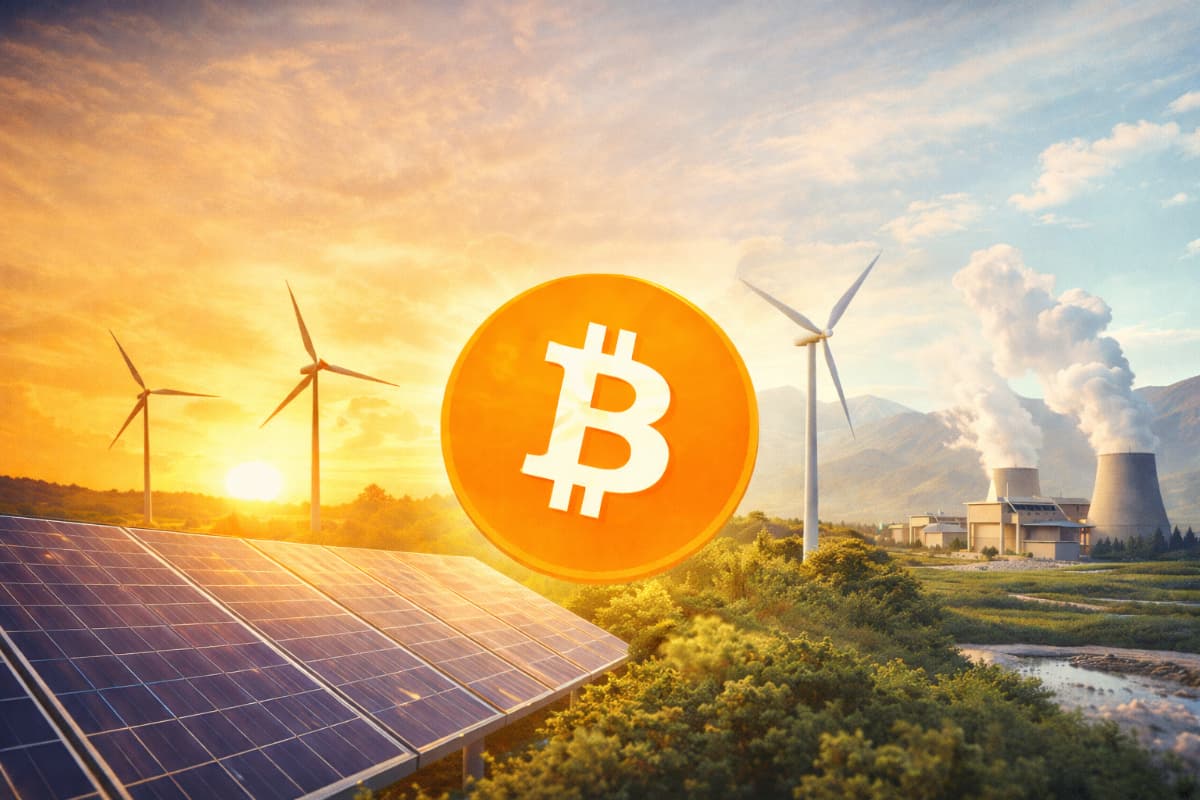
The resources that regenerate themselves are called renewable resources. Examples include geothermal, solar, wind, and hydropower. They are more environmentally friendly than fossil fuels and are more sustainable. The inconsistency of energy production with demand is one of the problems of renewable energy. Renewable resources are generated in remote locations, at off-peak times or in quantities that the local grid can’t handle. Besides, a great portion of clean energy is wasted.
This is where Bitcoin mining comes into the picture.
Typically, Bitcoin mining is discussed only in terms of its energy consumption. Less attention is paid to the innovation behind where that energy comes from. With the worldwide growth of mining, clean energy has become a seamless partner to Bitcoin’s decentralized design. From distant hydropower to overabundant solar and wind energy, miners are more and more turning to unused renewable electricity. This cooperation reduces expenses, increases grid efficacy and fosters additional clean energy capital.
Understanding this relationship is crucial to separating myth from reality in the environmental debate surrounding Bitcoin. And this is your sign to understand how Bitcoin uses renewable energies.
As part of the respective traditions, mining can also be defined as the process of creating value by using time, energy, and effort to extract valuable items. Bitcoin mining is another example of this tradition.
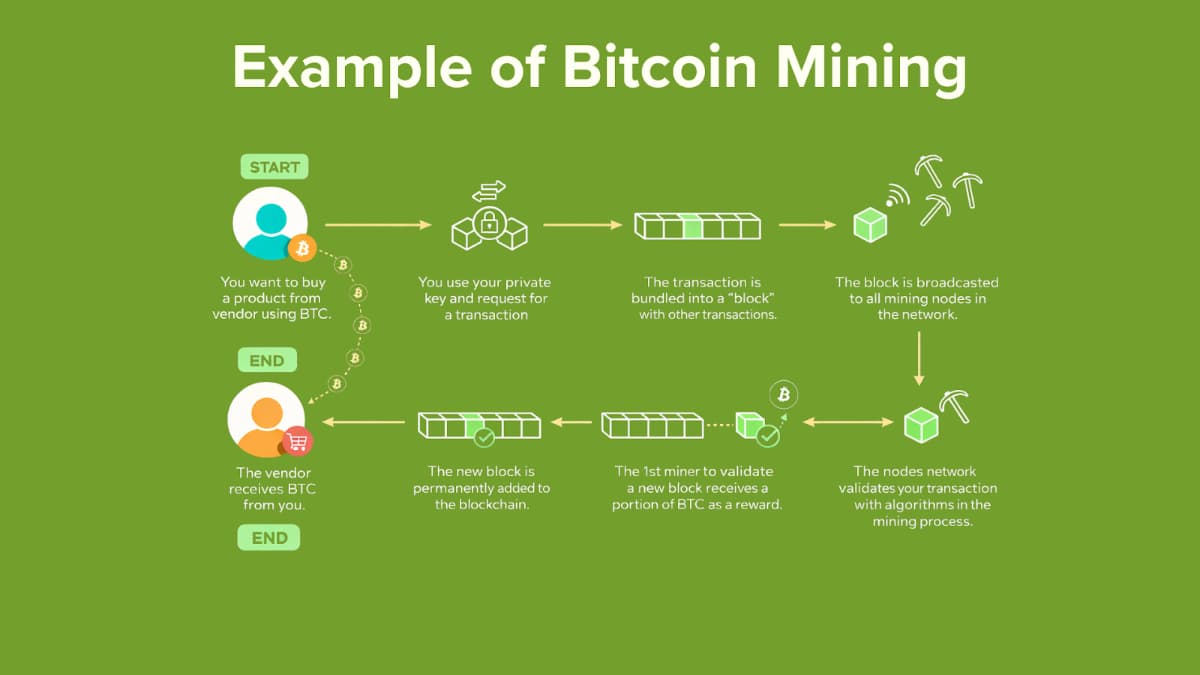
The activity of creating or discovering new bitcoins is formally described as the process by which bitcoins are created or made available and how all transaction-related activity occurs within a publicly accessible transaction ledger known as the blockchain.
Bitcoin miners utilise a variety of specific equipment (specialised computers) to conduct complex mathematical computations to resolve cryptographic issues on behalf of their users or with each other. When a miner resolves a cryptographic issue, a block of matching transactions added by this miner to the public ledger at that time is produced, and an assigned value is assigned to that block of matching transactions.
This process of creating Bitcoin will continue until the defined supply of Bitcoin (21 million) [1] has been fully mined and distributed. At that point, it will be completely dependent on the transaction fees generated from transaction-related activities and nothing else (mining fees).The processes used by miners to validate transactions are called proof of work. By solving a cryptographic puzzle, miners can validate the transaction and add a new block to the chain. This process ultimately creates a secure, reliable Blockchain system.

Let’s understand this with the help of an example: Imagine a library where librarians must solve a difficult puzzle before adding new book entries to the library register. The first librarian to solve it shows the answer, and everyone checks it. Only then can the new entry be written. This effort ensures that no one can secretly change or fake records.
Block creation: Creating a block consists of recording transactions. Miners gather their most recent bitcoin transactions and write them down in what can be thought of as a digital notebook. Once the miner has solved the complex puzzle required to add this block to the blockchain permanently, this information cannot be erased or changed.
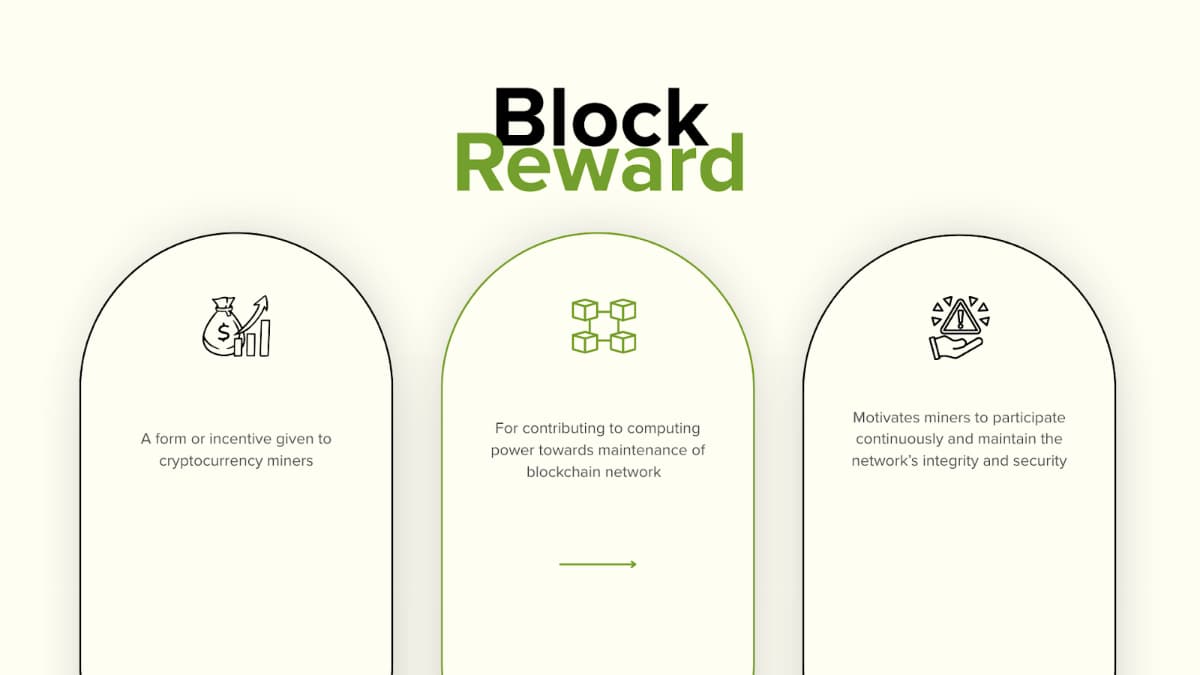
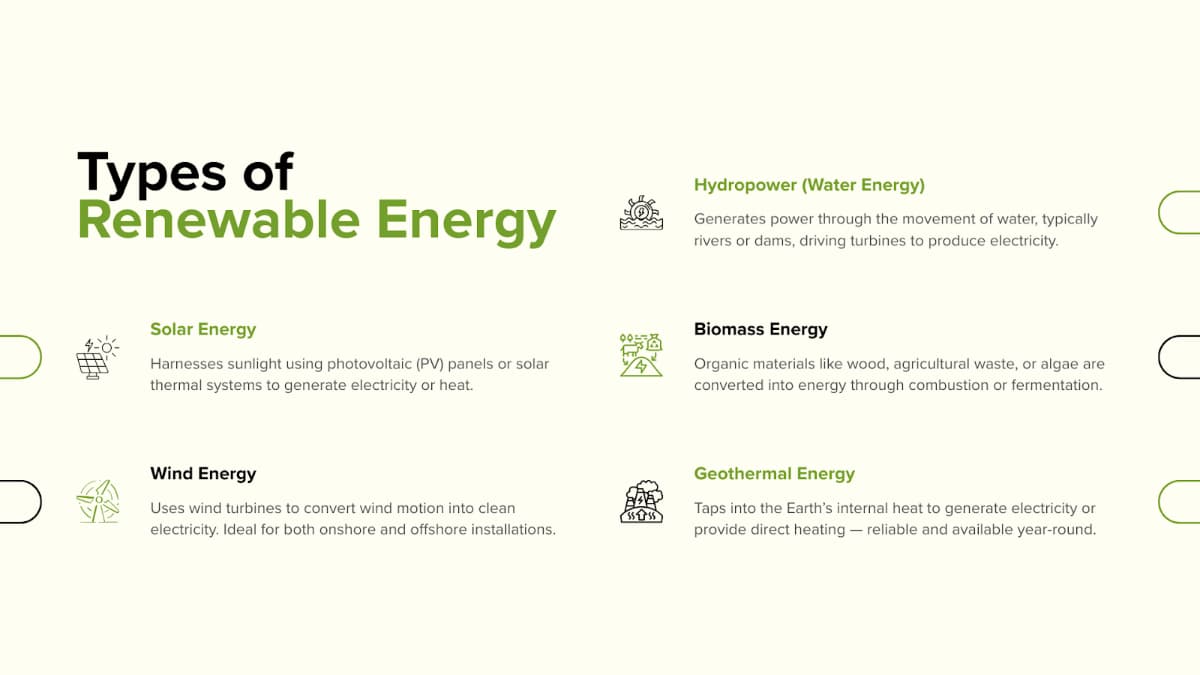
Types of green energy are utilized for Bitcoin mining. Mining operations scale up all around the world, but miners weren’t just buying whatever had the cheapest energy. They were looking for quite a specific signal: plentiful energy, not being used, and generally being thrown away. That’s where renewable energy came in.
Hydropower was among the first renewable energy sources adopted by Bitcoin miners, owing to seasonal overproduction. When there is a lot of rain or snow melting, hydroelectric plants tend to generate more electricity than the local distribution network can handle.
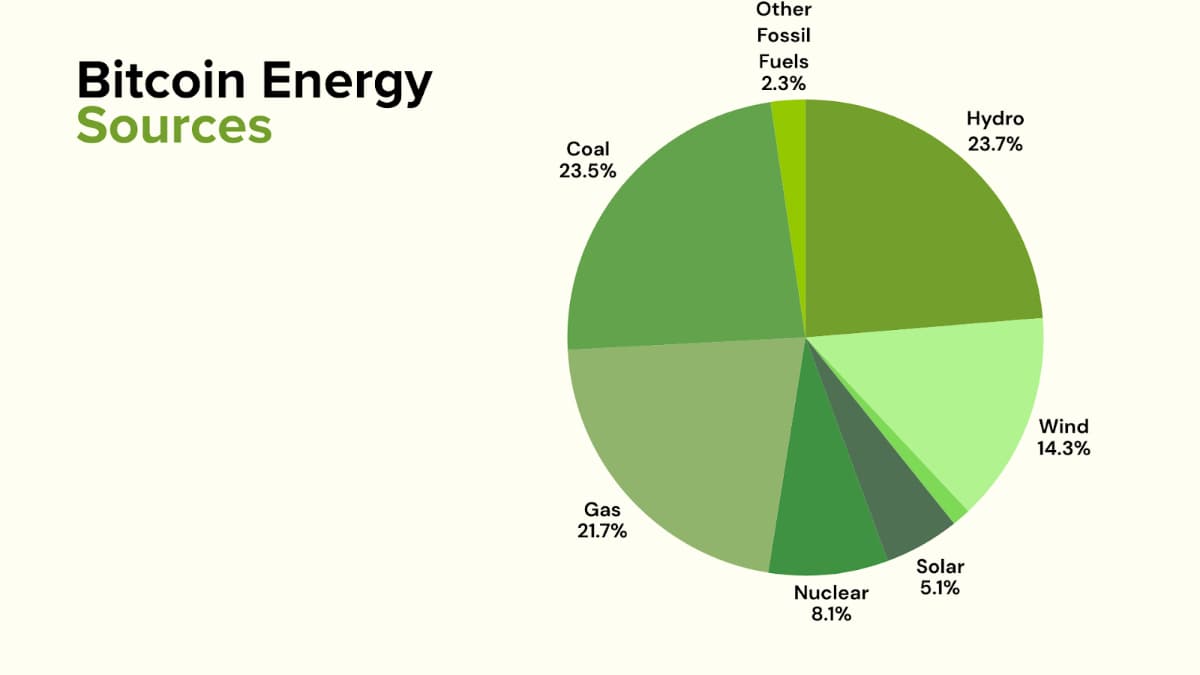
Instead of reducing the power there, the mining operations can be set up near the plants, and the surplus power can be used directly. Currently, about 23.4% of the total energy used in Bitcoin mining is supplied by hydroelectric power plants, making it the biggest Renewable source. Mining, thus, lends stability to plant revenues and reduces the amount of generation that would have been wasted.
Wind energy presents a different challenge. Power generation often peaks at night or during periods when electricity demand is low. Without sufficient storage or transmission capacity, this energy is often curtailed.
Bitcoin mining offers a flexible solution. Mining operations can absorb excess wind generation during off-peak hours and scale down when demand rises. As a result, wind energy now contributes roughly 15.4% of Bitcoin mining electricity, turning volatility into an economic advantage for both miners and energy producers.
As of October 2023, Bitcoin mining's total energy consumption consists of approximately 3.2% solar energy-generated energy; it will also likely continue to grow in its overall share of the energy consumed to produce Bitcoin, with greater amounts of solar capacity being installed and solar-related energy storage capabilities becoming more advanced.
Bitcoin mining facilities utilize several strategies when establishing their energy-generating capacity. They can use either onsite generating equipment (solar panels) and/or the electrical power grid and/or battery banks to store their solar-generated energy until it is needed for utilization and to provide for their long-term operations. Improved solar technology, infrastructure, and energy storage will likely contribute to a larger proportional share of bitcoin's total energy consumption cost until the supply of bitcoin is completely mined.
Everyone is aware that geothermal energy supplies consistent, base load power and so it is ideal for mining operations that need complete uptime. Unlike wind or solar energies, geothermal energy doesn’t depend on a change in weather.
Areas with geothermal resources can accommodate Bitcoin mining with low emissions and high stability, so geothermal energy is an efficient and sustainable resource where it’s accessible.
Electric energy has to be used immediately after it has been generated. surplus of energy production is often reduced (curtailed) because of limitations in storing the energy or transmitting the energy. This challenge is particularly pronounced in renewable energy systems.
Bitcoin mining addresses this inefficiency by functioning as a flexible demand sink. Mining operations can be rapidly adjusted, strategically located near energy generation sources, and scaled according to electricity availability.[2] This enables miners to monetise stranded or excess power that would otherwise remain unused.By absorbing surplus energy during periods of oversupply and reducing consumption when demand increases, Bitcoin mining aligns structurally with renewable energy systems. This flexibility helps mitigate curtailment while supporting the broader integration of renewable power into modern energy grids.
The link between Bitcoin mining and green energy is still evolving, but the trend is quite obvious. As the world’s energy mix shifts toward greater reliance on renewables, grid instability, curtailment, and oversupply are becoming common occurrences rather than exceptions. Bitcoin mining is, by design, immune to these conditions. Economically, miners seek to identify the cheapest and most reliable sources of power. Green energy in its surplus or disjointed form constantly fulfils this. [3]And so, bitcoin mining will play an increasingly important role in future energy grids. Instead of being a sole industrial user, mining companies could provide flexible loads for green energy projects, absorbing the surplus, stabilising the grid, and enhancing the economic viability of renewable energy installations. Eventually, the distinction between energy use and renewable energy use will blur, and success will be measured by the ability to integrate with renewable energy infrastructure.
India Crypto Research operates independently. The information presented herein is intended solely for educational and informational purposes and should not be construed as financial advice. Before making any financial decisions, it's essential to undertake your own thorough research and analysis. If you're uncertain about any financial matters, we strongly recommend seeking guidance from an impartial financial advisor.


